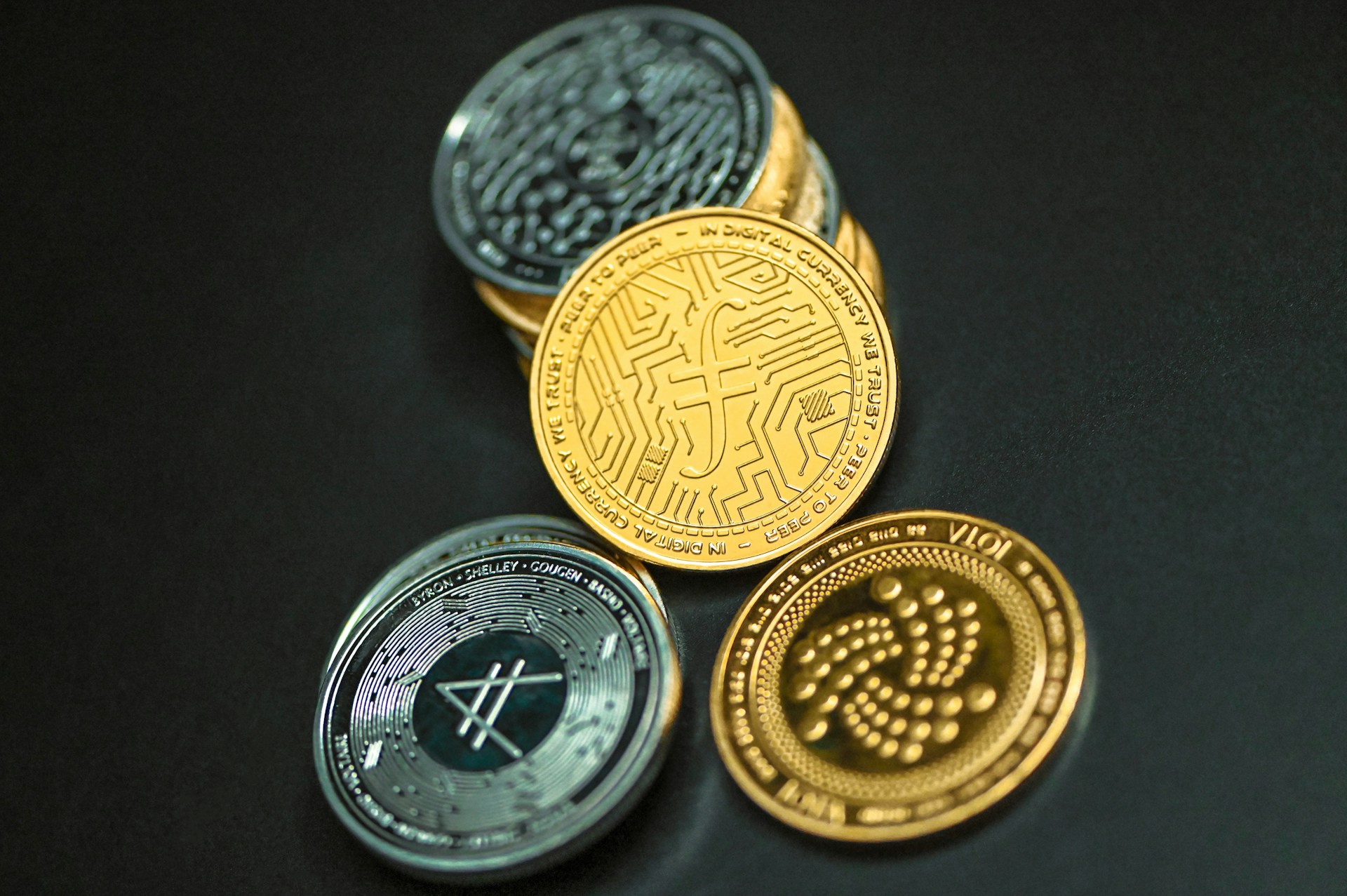
Bitcoin and Ethereum saw their prices plunge by more than half, and many smaller altcoins lost over 80% of their value. Exchanges collapsed, regulators tightened their grip, and investor confidence hit an all-time low. Yet amid the chaos, one cryptocurrency managed not just to survive but to maintain a remarkable degree of stability and resilience — Binance Coin (BNB).
BNB’s ability to endure one of the harshest bear markets in recent memory was no coincidence. It was the result of a combination of strong fundamentals, ecosystem utility, disciplined tokenomics, and strategic decisions by Binance, the exchange that launched it. While countless projects faltered or disappeared altogether, BNB continued to prove its relevance, reinforcing its reputation as one of the most dependable assets in the digital economy.
When the bear market began in early 2022, triggered by global inflation, rising interest rates, and the collapse of high-risk projects like Terra Luna, the crypto sector faced a liquidity crisis. Many tokens that had soared during the DeFi and NFT boom quickly unraveled. Investor sentiment turned fearful, and trading volumes across exchanges dropped sharply. For most tokens, this environment spelled disaster. However, BNB’s price performance told a different story. Although it did experience declines like the rest of the market, it remained far more stable than many competitors.
The first reason for BNB’s resilience lies in its utility. Unlike speculative tokens with limited real-world use, BNB is deeply integrated into the Binance ecosystem. It serves as the native currency for transaction fees on Binance Exchange and Binance Futures, offers trading discounts, and powers an entire blockchain — the BNB Chain. Even during the market downturn, millions of users continued trading, staking, and transacting on Binance, which ensured a consistent baseline demand for BNB. This steady usage helped cushion the token against extreme volatility.
Another crucial factor was BNB’s role in decentralized applications. The BNB Chain, formerly known as Binance Smart Chain, had grown into one of the leading blockchains for decentralized finance (DeFi), non-fungible tokens (NFTs), and Web3 applications. Many developers and users remained active on the network despite market headwinds. While some speculative projects faded, others continued building quietly, maintaining the BNB Chain’s relevance. Transaction volumes may have dropped compared to the bull market, but network activity persisted, creating organic demand for BNB as a gas token.
BNB’s deflationary tokenomics also played a key role in its stability. Binance’s quarterly auto-burn mechanism gradually reduces BNB’s circulating supply by permanently removing tokens from the market. During 2022 and 2023, as trading volumes fluctuated, Binance continued executing these burns according to its algorithmic formula, ensuring that supply pressures did not overwhelm demand. This ongoing deflation contrasted sharply with the inflationary tendencies of other blockchains, where token issuance continued to dilute value during the downturn. Investors viewed BNB’s predictable and transparent supply reduction as a sign of long-term sustainability.
In addition, Binance’s global presence and financial strength gave BNB a strong foundation during times of uncertainty. While other exchanges faced insolvency or regulatory shutdowns, Binance maintained liquidity, transparency, and operational continuity. The collapse of FTX in late 2022, for example, sent shockwaves through the industry, wiping out billions in value and eroding trust in centralized platforms. Binance, however, took the opportunity to reinforce its credibility, publishing proof-of-reserves reports and assisting users in understanding asset safety. This restored a measure of confidence that benefited BNB directly, as it remained the native asset of a functioning and solvent ecosystem.
BNB’s long-term holders also played a part in its survival. Many BNB investors view the token not as a short-term speculative asset but as a long-term stake in Binance’s ecosystem growth. This community of dedicated holders — supported by staking and yield opportunities through Binance Earn, Launchpool, and Launchpad — created a stabilizing effect. When panic selling gripped other markets, BNB’s user base remained comparatively calm, providing price support and limiting downward momentum.
Another element that helped BNB weather the storm was Binance’s diversification. Throughout 2022 and 2023, Binance continued expanding into new markets, launching regulatory-compliant entities, and forming partnerships with financial institutions worldwide. It also invested in blockchain education, charity initiatives, and decentralized technologies. These efforts not only expanded Binance’s reach but also strengthened BNB’s position as a global utility asset. By the time the market began showing signs of recovery in 2024, BNB had maintained its place among the top five cryptocurrencies by market capitalization — an impressive achievement in such a volatile period.
It’s worth noting that BNB’s performance during the bear market was not simply about price stability but also about reputation. While many projects were marred by scandals, rug pulls, and failed promises, BNB continued to represent trust, usability, and transparency. The Binance team’s consistent communication and focus on long-term growth reinforced the perception that BNB was not just another altcoin — it was a core pillar of the crypto economy.
By the end of 2023, as sentiment began to shift and the industry prepared for the next growth cycle, BNB had emerged stronger than ever. Its value had stabilized, network activity was recovering, and Binance’s continued dominance in trading and DeFi positioned the token for renewed growth. Investors who held through the downturn found themselves rewarded with one of the most resilient assets in the market.
The story of how Binance Coin survived the 2022–2023 bear market is ultimately one of substance over speculation. While other projects chased trends and hype, BNB relied on fundamentals — real-world use cases, disciplined supply control, and the strength of the ecosystem it supports. Its survival demonstrated that crypto’s future belongs to assets with intrinsic value, not fleeting popularity.
In many ways, BNB’s resilience became a symbol of the broader lesson the bear market taught the industry: sustainability comes from utility, not noise. As the market continues to evolve, BNB stands as proof that a well-designed token with genuine purpose can endure the harshest winters and emerge ready for the next era of blockchain growth.

Jane Doe, founder of CaptionBio.co.uk, crafts heartfelt messages to inspire love, gratitude, and daily positivity. Let’s spread kindness through words!