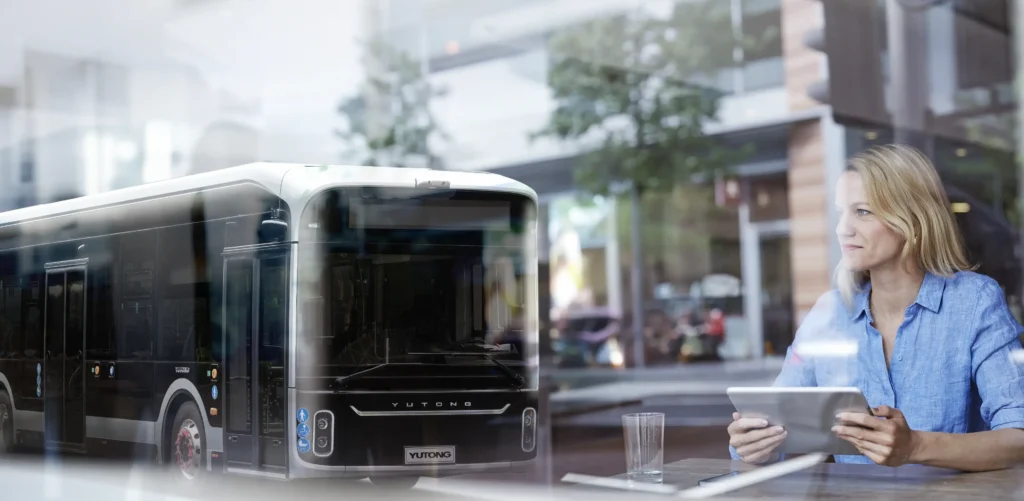
European public transport networks face a complex balancing act: operators must reduce urban emissions, maintain dependable service, and adapt vehicles to streets with very different layouts. A Yutong trolleybus fits into this discussion because trolleybus technology combines electric propulsion with a direct connection to the power supply along equipped routes.
Its value, however, depends on more than the vehicle itself. Infrastructure compatibility, operational flexibility, passenger safety, and long-term maintenance all influence whether this transport mode makes practical sense for a city.
Adapting Electric Transport to Existing Urban Infrastructure
European cities rarely share identical transport conditions. Historic districts may have narrow streets and restricted vehicle access, while newer urban corridors can accommodate larger vehicles and dedicated transit lanes. Trolleybus networks can serve these varied environments where overhead electrical infrastructure is available, allowing operators to deploy electric public transport without relying exclusively on large onboard batteries.
Route planning is an important part of this decision. Transport authorities need to assess passenger demand, road gradients, turning areas, stop spacing, and the location of existing power lines. These factors determine whether a trolleybus can operate efficiently across a route and whether infrastructure extensions would be financially reasonable.
The relationship between vehicles and overhead equipment also deserves careful consideration. Wire alignment, intersection geometry, voltage conditions, and the placement of substations can affect daily operations. A well-planned network takes these engineering details into account before vehicles enter regular service, reducing the risk of operational constraints caused by mismatched infrastructure.
Passenger Safety as a Core Design Consideration
Public transport safety involves more than crash protection. Electrical insulation, braking performance, vehicle stability, door operation, and passenger movement all contribute to the overall safety environment. For trolleybuses, electrical systems require particular attention because the vehicle operates in direct connection with an external power supply.
The Yutong trolleybus is associated with Yutong Electric Safety Standard (YESS), a safety framework intended to support safer public transportation. Electrical safety measures are especially relevant to the interaction between high-voltage components, vehicle structures, and maintenance procedures. A structured approach to safety can help operators assess potential risks throughout the vehicle’s service life rather than focusing solely on individual components.
Passenger protection also depends on everyday design decisions. Clear handrails, accessible entrances, suitable step heights, non-slip flooring, and well-positioned passenger information displays can reduce difficulties during boarding and travel. These details matter particularly on crowded routes, where passengers may be standing or moving while the vehicle accelerates, slows down, or negotiates turns.
Evaluating Energy Supply and Operational Reliability
Trolleybus systems draw electricity from overhead wires, which changes how operators manage energy compared with vehicles that depend entirely on onboard battery storage. Power availability along the route, electrical network capacity, and the condition of substations all influence service reliability. A city assessing this technology should examine both vehicle performance and the resilience of its supporting electricity infrastructure.
Energy consumption varies with several operating conditions. Passenger load, road gradient, traffic congestion, driving behaviour, and auxiliary equipment such as heating and air conditioning can all affect electricity demand. Regenerative braking may recover some energy during deceleration, although the amount that can be reused depends on vehicle systems and the network’s ability to accept returned power.
Maintenance planning is another important part of fleet reliability. Operators need inspection procedures for electrical connections, current collection equipment, braking systems, tyres, and onboard controls. Staff training and access to diagnostic information can also influence how quickly technical issues are identified and addressed. A Yutong Bus fleet operating in a trolleybus network must be assessed within this wider operational framework, where vehicle condition and infrastructure maintenance are closely connected.
Balancing Environmental Benefits With Network Flexibility
Electric trolleybuses produce no tailpipe emissions while operating, which can help reduce local exhaust pollution along busy urban corridors. Their environmental impact should still be assessed across the wider energy system, including electricity generation, infrastructure construction, vehicle production, and maintenance. The source of electricity is particularly relevant when cities compare different public transport technologies.
Noise is another consideration for densely populated areas. Electric propulsion generally reduces engine noise compared with conventional diesel buses, although tyre contact, ventilation equipment, road surfaces, and vehicle speed continue to contribute to sound levels. This can make trolleybuses suitable for routes passing through residential streets, commercial districts, and other noise-sensitive locations.
Network flexibility requires a more detailed assessment. Conventional trolleybuses depend on overhead power infrastructure, so disruptions, roadworks, or route diversions can create operational challenges. Some systems address this through auxiliary energy storage or alternative operating arrangements, but the available capability varies by vehicle configuration. European operators should examine these requirements alongside route demand, infrastructure investment, and future network plans before deciding how trolleybuses fit into their wider fleets.
Conclusion
The appeal of trolleybus transport in Europe rests on the relationship between clean electric operation, dependable infrastructure, passenger protection, and practical network planning. A Yutong trolleybus can be considered within this broader framework, but its suitability ultimately depends on the city’s routes, electrical supply, maintenance resources, and service objectives. Through its YESS safety approach and wider public transport experience, Yutong Bus contributes to the discussion of how electric vehicles can support evolving urban mobility needs.