Solar-powered water pumping systems have become an effective solution for agriculture, industrial water management, and remote water supply projects. However, the performance of these systems depends heavily on the coordination between solar energy conversion, pump operation, and intelligent control technologies. Improving the solar water pump controller is essential for achieving stable water output, better energy utilization, and reliable operation under changing environmental conditions.
A professional solar inverter company can improve controller performance by integrating advanced algorithms, flexible power management, and reliable inverter technologies. Through innovations such as MPPT control and hybrid power solutions, modern solar pumping systems can better respond to fluctuations in solar availability while supporting diverse application requirements.
Optimizing Solar Water Pump Controllers with Advanced Control Technologies
The solar water pump controller is responsible for managing the interaction between photovoltaic power sources and pumping equipment. Traditional controllers may struggle with unstable solar conditions, resulting in inefficient operation during periods of changing sunlight. Advanced control methods help solve this challenge by continuously adjusting system performance according to real-time energy availability.
One of the most important improvements is the integration of intelligent Maximum Power Point Tracking (MPPT) algorithms. MPPT technology enables the system to identify the most efficient operating point of solar panels, allowing more solar energy to be converted into usable power for the pump.
For projects that require consistent water supply, a high-frequency solar pump inverter with advanced MPPT capability can improve system responsiveness. This technology allows pumps to operate more efficiently throughout the day, even when weather conditions affect solar generation.
Improving Energy Utilization Through High-Frequency Solar Pump Inverters
Solar pumping systems often operate in locations where electricity access is limited or where reducing energy costs is a priority. Therefore, improving conversion efficiency is a major focus for manufacturers developing solar pumping solutions.
A high-frequency solar pump inverter uses optimized power conversion technology to improve the relationship between solar input and motor performance. By precisely controlling frequency and output power, the inverter can help pumps operate closer to their ideal working conditions.
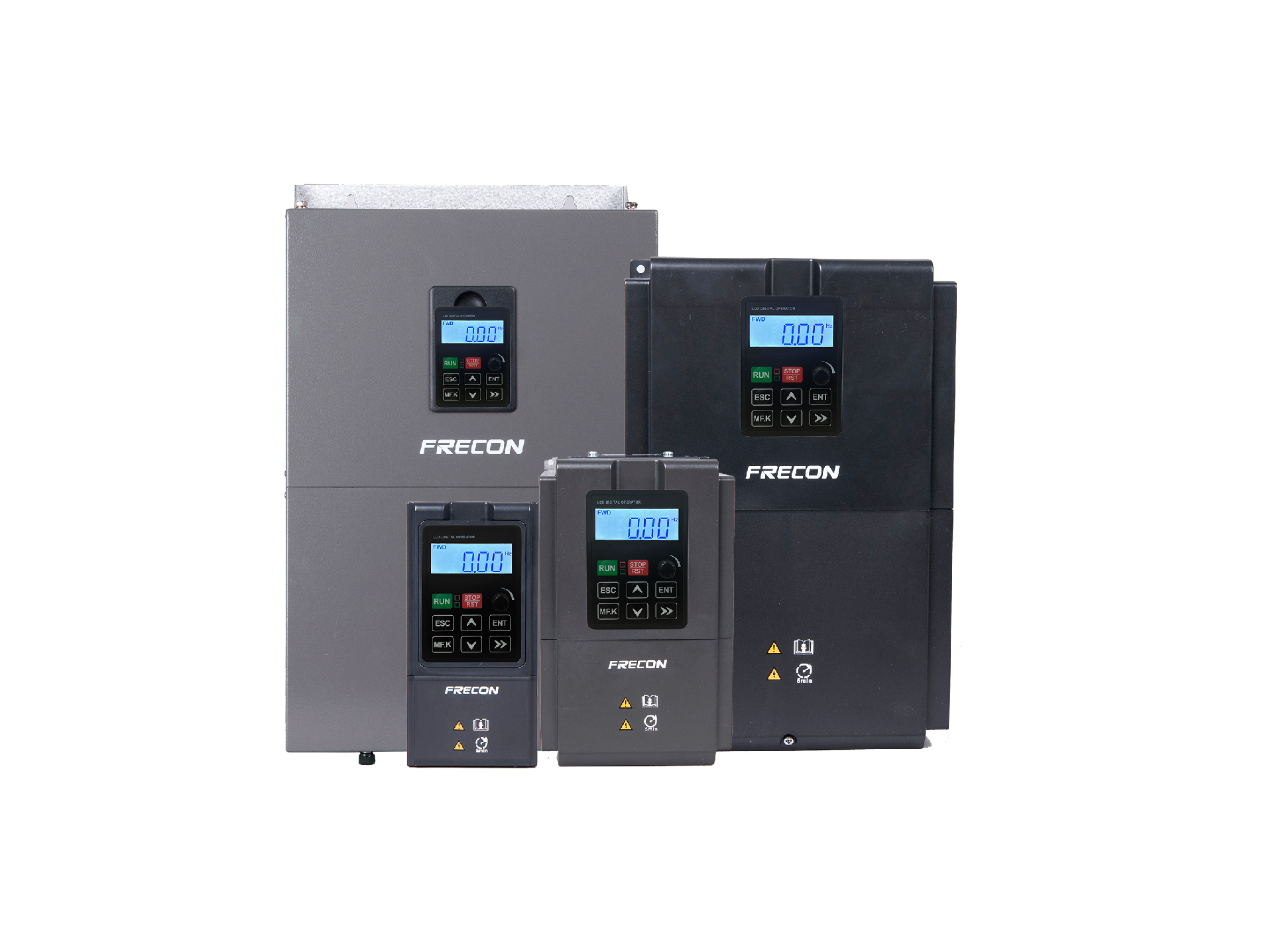
FRECON’s PV500 Series Solar Pump Inverter is designed for demanding industrial applications. The series features intelligent MPPT control with up to 99% tracking efficiency, helping maximize solar energy utilization and maintain consistent water output under changing weather conditions.
For agricultural irrigation, industrial water systems, and remote applications, this type of inverter technology provides a more stable approach to managing renewable energy-powered pumping equipment.
Developing Flexible Power Management for Continuous Water Supply
A major challenge for solar pumping systems is maintaining operation when solar energy is insufficient. Cloudy weather, seasonal changes, or nighttime conditions can reduce photovoltaic output. To address this issue, a solar inverter company can improve system reliability by developing hybrid power solutions.
Hybrid systems allow solar energy and grid electricity to work together. Instead of relying on only one power source, the system can automatically select the most suitable energy supply according to current conditions.
FRECON’s PV500 Series supports both DC solar power input and AC grid power input. As a hybrid solar pump inverter, it includes an intelligent DC/AC auto-switching function that enables seamless transitions between power sources. This design helps maintain uninterrupted water supply for applications where continuous operation is important.
Enhancing Reliability Through Intelligent System Integration
Modern solar pumping projects require more than basic power conversion. Users increasingly expect systems that can operate independently, respond automatically, and reduce the need for frequent manual adjustments.
An advanced solar water pump controller integrates multiple functions to improve system reliability. These may include automatic operation management, fault protection, and compatibility with different pumping conditions. Such features are particularly valuable for remote installations where maintenance access may be limited.
By combining inverter technology with intelligent control functions, manufacturers can provide more complete solutions for water management. A capable solar inverter company focuses not only on improving energy conversion efficiency but also on creating systems that are easier to operate and maintain.
Ensuring Product Quality Through Manufacturing Standards
The reliability of solar pumping equipment depends on both technical design and manufacturing quality. Since these systems are often installed outdoors, products must withstand environmental challenges while maintaining stable performance over long operating periods.
Manufacturers should follow structured quality management processes to ensure consistency. Certification standards, production control, and testing procedures help verify that solar inverter products meet industrial requirements.
FRECON develops solar inverter solutions according to ISO 9001:2015 quality management standards. Its PV500 Series Solar Pump Inverter combines intelligent control functions with a design focused on reliable operation. This approach supports customers seeking efficient solutions for agriculture, industrial applications, and off-grid water supply projects.
Selecting the Right Solar Inverter Partner for Pumping Projects
For businesses planning solar water pumping projects, selecting the right supplier is an important decision. A reliable partner should have experience in inverter technology, energy management, and practical application requirements.
A professional solar inverter company can provide solutions that address different project challenges, including unstable solar conditions, power supply limitations, and efficiency requirements. The ability to customize solutions and support system integration can also influence long-term project performance.
FRECON offers solar pump inverter solutions designed for various water pumping scenarios. Its product technologies, including MPPT optimization and hybrid power management, help users build more adaptable and efficient pumping systems.
Building Smarter Solar Pumping Solutions for the Future
Improving solar water pump controllers requires continuous development in power conversion, control algorithms, and system flexibility. Technologies such as intelligent MPPT tracking, hybrid energy input, and automatic switching functions are helping solar pumping systems become more reliable and efficient.
By combining advanced inverter technology with practical application knowledge, a solar inverter company can support industries seeking sustainable water management solutions. FRECON’s PV500 Series demonstrates how a high-frequency solar pump inverter can enhance system performance while providing stable operation for agricultural, industrial, and remote water supply applications.

Jane Doe, founder of CaptionBio.co.uk, crafts heartfelt messages to inspire love, gratitude, and daily positivity. Let’s spread kindness through words!